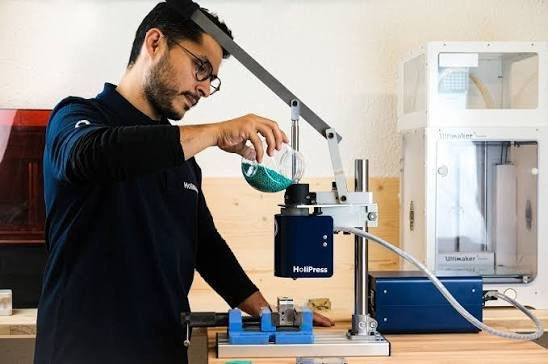
A desktop injection molding machine is a compact and efficient solution for producing small plastic parts in workshops, schools, laboratories, and small manufacturing businesses. Unlike large industrial injection molding systems, these machines fit on a workbench while delivering reliable performance for prototyping, product development, and low-volume production.
As demand for custom plastic products continues to grow, desktop injection molding machines have become increasingly popular among engineers, makers, entrepreneurs, and educators. Their affordability, ease of use, and space-saving design make them an excellent investment for anyone looking to manufacture plastic components without the high cost of industrial equipment.
In this guide, you’ll learn what a desktop injection molding machine is, how it works, its benefits, key features, applications, and tips for selecting the right model.
What Is a Desktop Injection Molding Machine?
A desktop injection molding machine is a small-scale version of an industrial injection molding system. It heats plastic pellets until they melt and then injects the molten plastic into a mold under pressure. Once the plastic cools and solidifies, the finished part is removed from the mold.
These machines are designed for smaller production runs and prototypes rather than mass manufacturing. Despite their compact size, many models produce high-quality parts with excellent precision and repeatability.
How Does a Desktop Injection Molding Machine Work?
The injection molding process follows several simple steps:
- Plastic pellets are loaded into the hopper.
- The heating barrel melts the plastic.
- The injection system pushes the molten plastic into the mold.
- The mold cools the plastic into its final shape.
- The finished product is ejected from the mold.
- The cycle repeats for the next part.
This efficient process allows users to create multiple identical plastic components with minimal material waste.
Benefits of Using a Desktop Injection Molding Machine
There are many reasons why professionals and hobbyists choose desktop injection molding machines.
Compact Design
These machines occupy very little workspace, making them ideal for home workshops, classrooms, research labs, and small businesses.
Affordable Investment
Desktop machines cost significantly less than industrial equipment, allowing startups and small manufacturers to begin production with a lower budget.
Fast Prototyping
Designers can quickly test product ideas by producing functional plastic prototypes without outsourcing manufacturing.
Easy Operation
Many modern desktop injection molding machines include user-friendly controls that simplify setup and operation.
Material Efficiency
Injection molding creates very little waste because unused plastic can often be recycled for future production.
Key Features to Look For
When choosing a desktop injection molding machine, consider these important features.
Temperature Control
Accurate heating ensures consistent melting and improves the quality of finished parts.
Injection Pressure
Higher pressure helps fill detailed molds completely and reduces defects.
Mold Compatibility
Choose a machine that supports different mold sizes for greater flexibility.
Digital Controls
Digital displays make temperature and pressure adjustments easier and more accurate.
Safety Features
Emergency stop buttons, insulated heating components, and protective covers improve operator safety.
Durable Construction
Machines built from steel or aluminum generally offer longer service life and better performance.
Common Materials Used
Desktop injection molding machines can process many thermoplastics.
Popular materials include:
- ABS (Acrylonitrile Butadiene Styrene)
- Polypropylene (PP)
- Polyethylene (PE)
- Nylon (PA)
- Polystyrene (PS)
- TPU (Thermoplastic Polyurethane)
- PETG
- Polycarbonate (PC)
Each material offers different characteristics such as flexibility, strength, heat resistance, or impact durability.
Applications of Desktop Injection Molding Machines
These versatile machines are used across many industries.
Product Development
Engineers create functional prototypes before investing in large-scale manufacturing.
Education
Schools and universities use desktop injection molding machines to teach manufacturing and engineering concepts.
Research Laboratories
Researchers produce custom plastic components for experiments and testing.
Small Business Manufacturing
Entrepreneurs manufacture low-volume products without outsourcing production.
Hobby Projects
Makers and DIY enthusiasts create custom plastic parts for robotics, electronics, and creative projects.
Advantages Compared with Industrial Machines
Desktop injection molding machines provide several practical advantages.
- Lower purchase cost
- Reduced energy consumption
- Easy installation
- Minimal maintenance
- Compact footprint
- Faster setup for small production runs
- Ideal for prototypes and custom parts
However, they are not intended for high-volume manufacturing where industrial systems remain the better choice.
How to Choose the Best Desktop Injection Molding Machine
Before buying, evaluate your production needs carefully.
Consider the following factors:
- Production volume
- Compatible plastic materials
- Injection pressure
- Heating capacity
- Mold size support
- Available workspace
- Ease of maintenance
- Warranty and technical support
- Budget
- Availability of spare parts
Comparing these features helps you choose equipment that meets both current and future requirements.
Maintenance Tips
Regular maintenance keeps a desktop injection molding machine operating efficiently.
Follow these recommendations:
- Clean the barrel after each production run.
- Inspect heating elements regularly.
- Lubricate moving components.
- Check electrical connections.
- Replace worn seals when necessary.
- Store the machine in a clean, dry location.
- Follow the manufacturer’s maintenance schedule.
Preventive maintenance reduces downtime and extends machine life.
Common Mistakes to Avoid
New users often make avoidable errors.
Common mistakes include:
- Using incorrect temperature settings
- Selecting incompatible plastic materials
- Overfilling the mold
- Ignoring machine cleaning
- Running damaged molds
- Skipping regular maintenance
- Operating without proper safety precautions
Understanding these issues improves production quality and machine reliability.
Why Small Manufacturers Choose Desktop Injection Molding Machines
Small businesses benefit greatly from desktop injection molding technology because it enables in-house production with lower operating costs. Instead of relying on external manufacturers for prototypes or limited production runs, companies can produce components quickly, test new designs, and respond faster to customer demands.
This flexibility shortens product development cycles while reducing manufacturing expenses, making desktop injection molding an attractive option for startups and growing businesses.
Frequently Asked Questions
What is a desktop injection molding machine used for?
It is used to manufacture small plastic components, prototypes, educational projects, and low-volume production parts.
Can beginners operate a desktop injection molding machine?
Yes. Many models are designed with simple controls, making them suitable for beginners after basic safety training.
Which plastic materials can be used?
Common materials include ABS, polypropylene, polyethylene, nylon, TPU, PETG, and polycarbonate, depending on the machine’s specifications.
Is a desktop injection molding machine suitable for mass production?
No. It is best suited for prototypes, custom parts, and small production runs rather than large-scale manufacturing.
How much maintenance does it require?
Routine cleaning, lubrication, and inspection of heating and mechanical components help maintain reliable performance.
Is a desktop injection molding machine worth buying?
For makers, educators, startups, and small manufacturers, it offers an affordable and efficient way to produce high-quality plastic parts without investing in industrial-scale equipment.
Conclusion
A desktop injection molding machine is an excellent solution for anyone who needs precision plastic manufacturing on a smaller scale. Its compact size, affordability, ease of operation, and versatility make it ideal for prototyping, education, research, and low-volume production.
By selecting a machine with the right features, maintaining it properly, and using compatible materials, you can produce durable, high-quality plastic components efficiently. Whether you are launching a new product, teaching manufacturing concepts, or expanding a small business, a desktop injection molding machine provides a practical and cost-effective path to reliable plastic production.