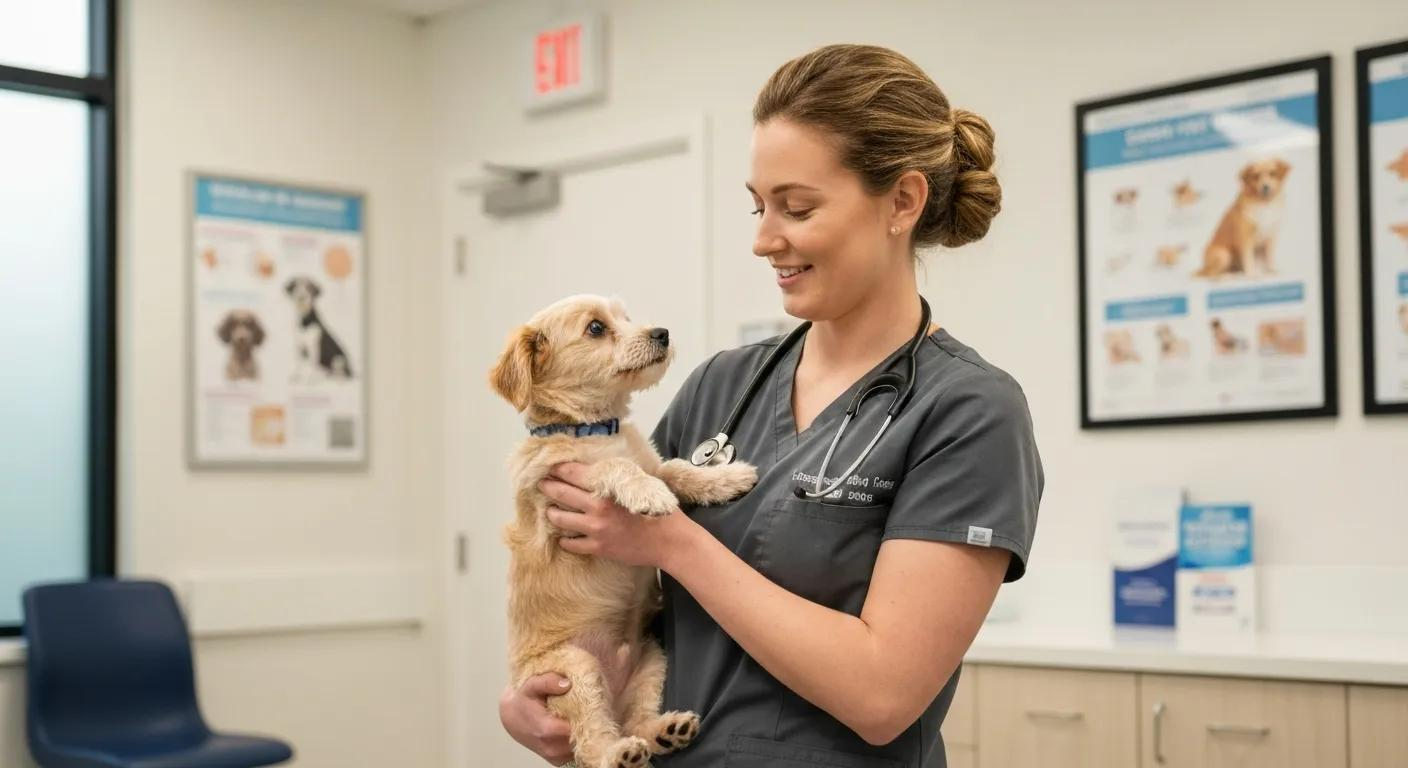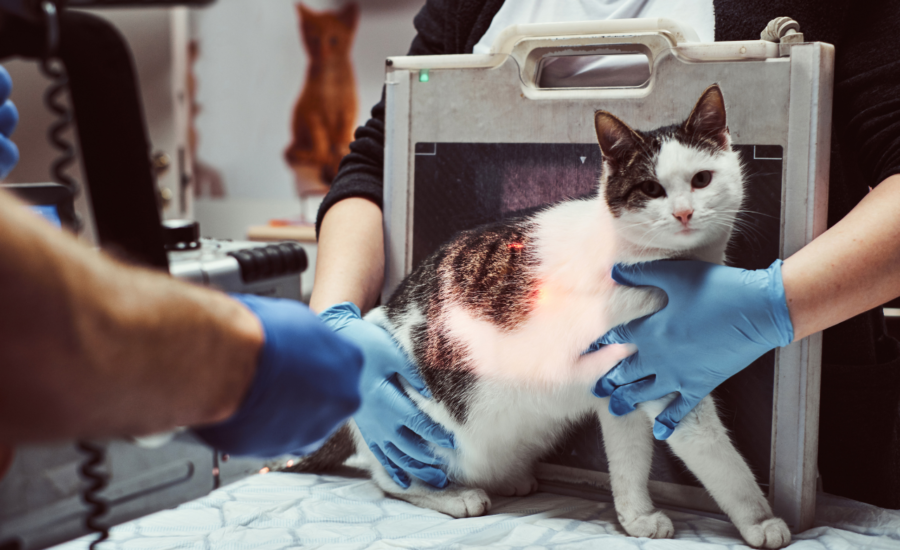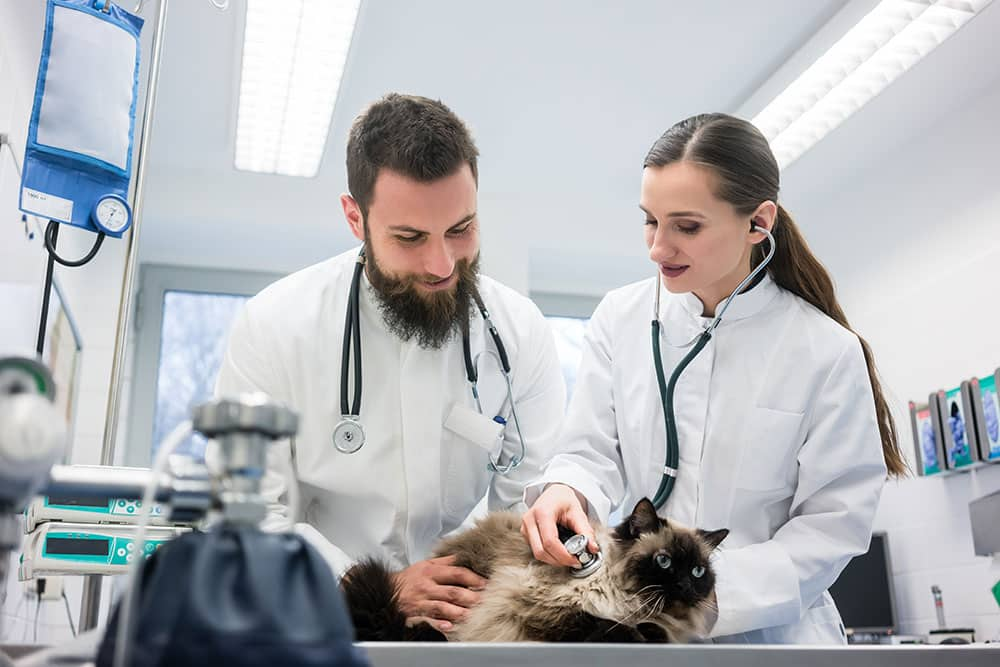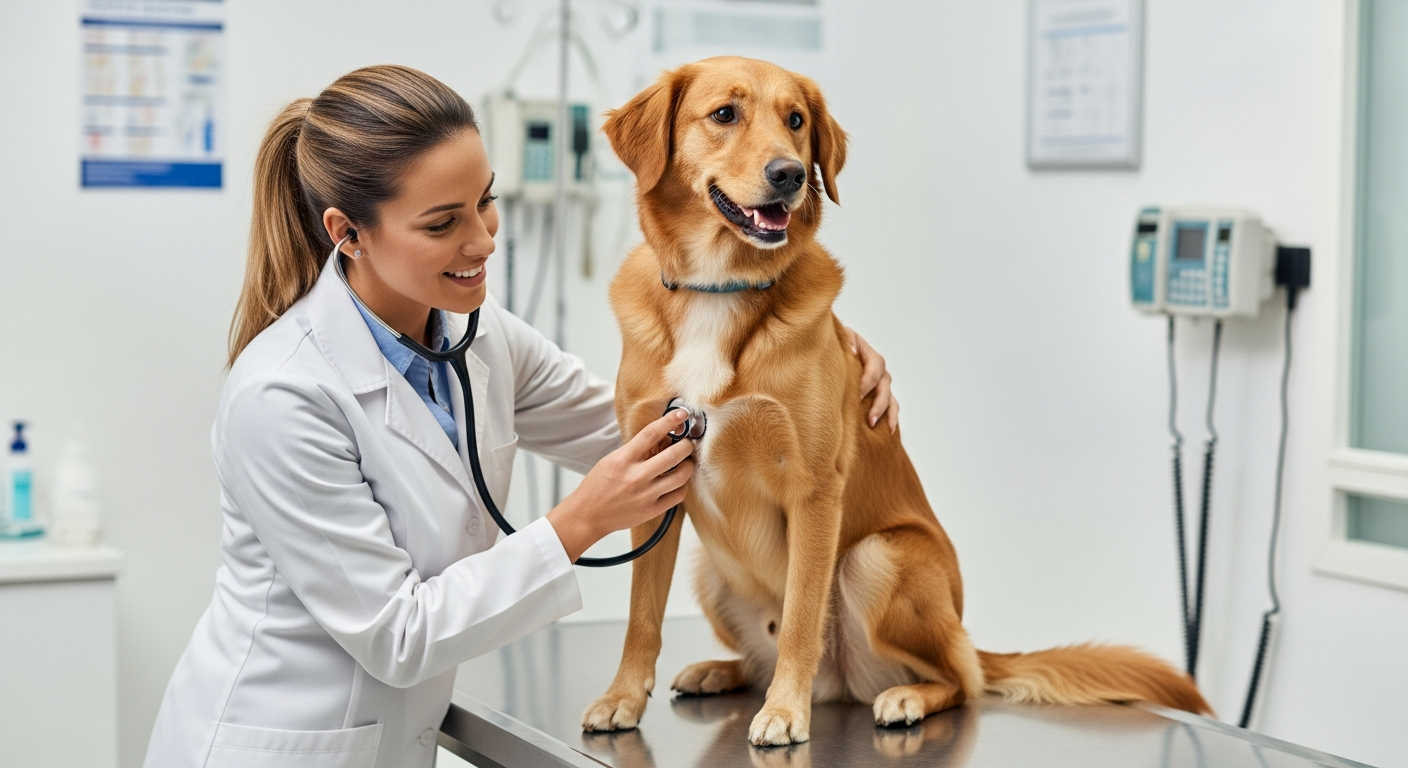
You might be feeling that mix of worry and guilt that shows up the moment your pet starts acting a little off. Maybe your dog keeps scratching, your cat has stopped eating like usual, or you noticed a small change, and now you cannot stop watching for more. That is a hard place to be, because pets cannot explain what hurts, and waiting can make every hour feel longer. The good news is that many issues seen at an animal hospital, including care from Royal Palm Veterinarian, are common, treatable, and easier to manage when caught early. If you know what to watch for, you can move from panic to a clear next step.
So, what tends to bring families through the doors of an animal hospital most often? While every pet is different, a few conditions come up again and again. Skin problems, ear infections, dental disease, and stomach upset are among the most common reasons people seek care. Some seem minor at first, but they can grow into bigger problems if they are ignored, which is why paying attention to small changes matters so much.
Why do skin problems send so many pets to animal hospitals?
It often starts with something easy to dismiss. A little scratching. A patch of hair loss. Red skin on the belly or around the ears. Then, before long, your pet is uncomfortable, you are cleaning up flakes of skin or fur, and you are wondering whether this is allergies, parasites, or something contagious. Because skin issues can look similar on the surface, guessing at home can lead you in circles.
One condition that raises a lot of concern is ringworm. Despite the name, it is not a worm at all. It is a fungal infection that can spread between animals and people. The CDC explains how ringworm spreads and what symptoms to watch for, which can be helpful if you have children, other pets, or anyone in the home with a weaker immune system. An animal hospital can help confirm the cause and guide treatment, rather than leaving you to wonder if every itchy spot is the same thing.
And what if the problem is not ringworm? It could be fleas, environmental allergies, food sensitivity, mites, or a skin infection from too much licking and scratching. That is why common conditions treated at animal hospitals often need more than a quick visual check. The right diagnosis can save your pet discomfort and save you from spending money on products that do not fix the real issue.
When is an ear infection more than a minor annoyance?
If your dog is shaking their head, pawing at an ear, or leaving a strong smell behind when they cuddle up close, an ear infection may be the reason. Cats can get them too, though dogs tend to show up with this problem more often. Ear infections can come from yeast, bacteria, allergies, moisture trapped after bathing, or even ear shape that holds heat and debris.
At first, you might think a good cleaning will solve it. Sometimes that makes things worse, especially if the ear is already inflamed or if there is a ruptured eardrum. Left untreated, ear infections can become painful, return again and again, and in some cases affect hearing or balance. That is why pet owners often turn to a veterinary hospital when a simple ear scratch becomes constant distress.
So, where does that leave you? If the behavior is new, persistent, or getting worse, it is usually time to have the ear examined before trying more home remedies.
Could bad breath be a sign of dental disease?
Many people assume bad breath is just part of having a pet. It is not. Persistent odor, red gums, drooling, loose teeth, or trouble chewing can point to dental disease, and this is one of the most overlooked pet health issues. The discomfort can build slowly, which means your pet may keep eating and acting normal until the pain is more advanced.
Cats, in particular, can hide oral pain very well. The Cornell Feline Health Center outlines how feline dental disease can affect overall health, including the mouth, gums, and teeth. Dental problems are not just cosmetic. Infection and inflammation in the mouth can affect comfort, appetite, and quality of life.
This is one reason pet conditions treated at animal hospitals often include routine dental evaluations. What looks like “just bad breath” can turn out to be tartar buildup, gingivitis, fractured teeth, or advanced periodontal disease that needs prompt care.
What should you do when vomiting or diarrhea will not stop?
Digestive upset is another common reason people seek care at an animal hospital. Sometimes it is simple. Your dog ate table scraps, your cat changed foods, or your pet got into something that did not agree with them. But sometimes it is the first sign of parasites, infection, pancreatitis, stress, food intolerance, or a blockage.
The challenge is that mild and serious stomach issues can start in similar ways. One episode may not mean an emergency. Repeated vomiting, bloody diarrhea, weakness, dehydration, belly pain, or refusal to eat is different. Puppies, kittens, senior pets, and pets with other health conditions can decline faster, which makes timing more important than many people realize.
That is why an animal hospital visit can bring clarity. Instead of watching and worrying, you get an exam, a better sense of severity, and a plan for treatment or testing if needed.
How can you tell when home care is enough and when a veterinary hospital is the better choice?
It helps to compare what you can safely monitor at home with signs that point to professional care. A simple table can make that choice feel less overwhelming.
| Condition | What You May Notice at Home | When to Seek Care | Why Prompt Treatment Helps |
|---|---|---|---|
| Skin problems | Scratching, hair loss, redness, flaky skin | If symptoms spread, worsen, or others in the home develop lesions | Helps identify the true cause and reduces discomfort and spread |
| Ear infections | Head shaking, odor, discharge, ear rubbing | If pain, swelling, balance issues, or repeat infections occur | Can prevent deeper infection and ongoing pain |
| Dental disease | Bad breath, drooling, chewing on one side, red gums | If eating changes, bleeding, swelling, or loose teeth are present | Protects comfort and may prevent more serious oral damage |
| Digestive upset | Vomiting, diarrhea, low appetite | If symptoms repeat, blood appears, or your pet seems weak | Can prevent dehydration and catch more serious causes early |
What are the best next steps if you think your pet needs help?
1. Watch for patterns, not just one moment. Write down when symptoms started, how often they happen, and anything that changed recently, such as food, treats, grooming products, or exposure to other animals. Those details can make diagnosis much easier.
2. Avoid treating blindly. Human creams, leftover medications, and aggressive ear cleaning can do more harm than good. If you are unsure what you are dealing with, pause before trying a fix that could mask symptoms or worsen the problem.
3. Act early when symptoms persist. If your pet seems painful, stops eating, keeps vomiting, scratches nonstop, or shows any sign that the issue is growing, schedule a visit. Early care is often simpler, less stressful, and less expensive than waiting until the problem becomes severe.
What should you remember about these common pet health issues?
When your pet is not acting like themselves, it is easy to second-guess what matters and what can wait. That uncertainty is part of loving an animal who depends on you. Still, many of the most frequent reasons people visit an animal hospital, including skin disease, ear infections, dental problems, and digestive upset, respond best when they are addressed sooner rather than later. If something feels off, trust that instinct and reach out for care. A calm, timely step now can make your pet more comfortable and give you peace of mind.