What does a termite look like is a question many homeowners ask when they notice tiny signs of damage in their wooden furniture or house structure. Termites are small insects, but their presence can cause big problems if left unchecked. They often live in hidden places, such as inside walls, under floors, or in wooden beams, making them hard to spot at first. Understanding what a termite looks like can help you catch them early and prevent major damage. Termites are usually pale or creamy white, and some have darker heads with tiny antennae. Their bodies are soft and fragile, and they move slowly compared to ants. Some species even have wings during certain stages, which makes them look different from the usual worker termites. By learning to recognize these signs, you can protect your home and avoid expensive repairs.
Table of Contents
Key Features of Termites
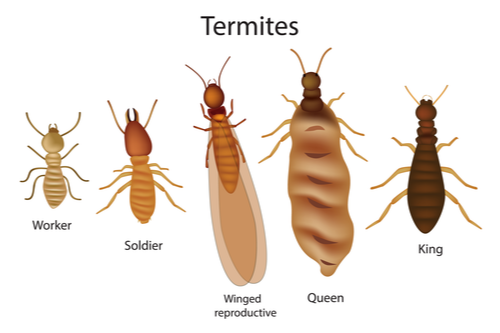
Termites have small bodies, soft skin, and pale colors. Most termites are cream-colored or light brown, though some swarmers can appear darker. Their antennae are straight and bead-like, which is different from ants that have bent antennae. Termites have six legs, and their bodies are divided into three main parts: head, thorax, and abdomen. Worker termites are small and delicate, while soldier termites have bigger heads and strong mandibles. Winged termites are larger and have two pairs of wings that are nearly equal in size. Their wings are thin and transparent, often leaving behind shed wings near light sources. By knowing these features, you can identify termites even if you see just one.
Termites are social insects, living in colonies that can have thousands of individuals. Each termite in a colony has a role. Workers are the most common and do the damage to wood. Soldiers protect the colony, and swarmers are the reproductive members that leave to create new colonies. The size and appearance of each type can differ, so it is important to learn what each looks like. Termites move slowly and prefer dark, damp places, which is why they often go unnoticed. Watching for their body shape, color, and wings can help you identify them before the infestation becomes serious.
Different Types of Termites and How They Look
There are three main types of termites: worker termites, soldier termites, and swarmers. Worker termites are pale, soft-bodied, and small. They do the main work of chewing through wood and feeding the colony. Soldier termites have large heads with strong jaws to fight off intruders. Swarmers, or alates, are darker and have wings. They leave the colony in large groups during the mating season. By knowing the differences in their appearance, you can identify which type is present in your home. Workers may be found inside wood, soldiers near the colony entrance, and swarmers around windows and light sources.
Subterranean termites are the most common type and live underground. They build mud tubes to reach food sources while staying hidden. Drywood termites live inside wood and do not need soil contact. Dampwood termites prefer moist wood and are less common in homes. Each type has its own size, color, and wing characteristics. Subterranean workers are pale, while drywood workers are light brown. Swarmers of all types may have wings, but they often shed them after finding a new nesting site. Knowing the type of termite helps in choosing the best way to control them.
Signs You Might See If Termites Are Present
Termites are sneaky and often hard to spot. Some common signs include tiny holes in wood, mud tubes along walls or floors, and discarded wings near windows and doors. Wood may sound hollow when tapped because termites eat it from the inside. Swarmers flying near light sources are another clear sign. Seeing termite droppings, which look like small wood-colored pellets, is also a warning. By paying attention to these signs, you can catch termites before they destroy large parts of your home. Understanding what a termite looks like and how they behave can save you from expensive repairs.
Other signs include blistered or peeling paint, which can occur when termites eat the wood underneath. You may also notice sagging floors or doors that do not close properly due to hidden damage. Listening for faint clicking sounds inside walls at night can indicate termite activity. These sounds come from soldier termites hitting their heads against wood to warn the colony. Early detection is key because termites reproduce quickly, and one colony can contain thousands of insects. Observing these signs carefully is essential for protecting your home.
Winged Termites: What Do They Look Like and Why They Swarm
Winged termites, or swarmers, look different from worker or soldier termites. They are darker in color and have two pairs of long, thin wings that are nearly equal in size. Swarmers leave the colony in large groups to mate and create new colonies. After finding a suitable place, they shed their wings and start reproducing. Spotting these winged termites near windows, doors, or light sources is a sign of an active infestation. Swarmers are usually seen in spring or summer when conditions are warm and humid. Knowing what a winged termite looks like can help you take action quickly.
Swarmers are often mistaken for flying ants, but they have straight antennae and equal-sized wings, while ants have bent antennae and unequal wings. Seeing a swarm of winged termites indoors is a serious warning, and immediate treatment is needed. You may find small piles of shed wings around the house, which is a clear sign that termites are nearby. Protecting your home by identifying winged termites early can prevent the colony from spreading and causing major damage.
Termite vs. Ant: How to Tell the Difference
Many people confuse termites with ants, but there are some key differences. Termites have straight, bead-like antennae, while ants have bent ones. Termites have soft bodies, whereas ants have hard, segmented bodies. Swarmers can look similar, but termite wings are equal in size, and ant wings are not. Termites move slowly, while ants move quickly and are more active during the day. Knowing the difference helps homeowners identify termite infestations early and avoid costly damage.
Another way to tell the difference is by looking at the body shape. Termites have thick waists, and ants have narrow waists. Termites also prefer dark, moist areas, while ants can be found in many places searching for food. By observing their movement, body shape, and wings, you can distinguish termites from ants easily. Early identification allows you to take control before the termites eat too much wood in your home.
Why Knowing What a Termite Looks Like Can Save Your Home
Understanding what a termite looks like is not just interesting; it is very important for home safety. Termites reproduce quickly and can destroy wooden structures silently. Catching them early saves money, time, and stress. Learning the features, types, and behaviors of termites helps you spot them before serious damage occurs. Observing for subtle signs, like mud tubes, discarded wings, or tiny holes in wood, can make a huge difference. Homeowners who know what termites look like are better prepared to take action and protect their property.
Using preventative measures like regular inspections, keeping wood dry, and sealing cracks can also reduce the risk of termite infestations. Professional pest control may be needed if the infestation is severe. Understanding termite appearance and behavior gives you an advantage in protecting your home. The sooner you notice these pests, the faster you can act to stop them.
Tools and Tips to Spot Termites Early
Early detection is the key to controlling termites. Using a flashlight and magnifying glass, you can inspect wooden beams, floors, and furniture for tiny holes, mud tubes, or termites themselves. Look for signs of winged termites near windows and doors. Tapping wood gently can help detect hollow spots caused by termite activity. Homeowners should check damp areas, basements, and crawl spaces regularly. Taking notes of any signs can help you monitor potential infestations. Combining visual inspections with preventive measures increases your chances of spotting termites before major damage occurs.
Regular professional inspections are also recommended, especially in areas prone to termite infestations. Experts can detect hidden colonies that are hard to see. Understanding what termites look like and where they hide is the first step to effective control. Keeping your home dry, removing wood debris, and sealing cracks can further prevent termite entry. Using these tips consistently can help you protect your home from these destructive pests.
What Does a Termite Look Like in Wood Damage
Termites feed on cellulose found in wood, leaving hidden damage behind. When checking furniture or beams, look for hollowed wood, tiny holes, or sawdust-like droppings. Mud tubes on surfaces are also a sign that termites are actively moving through the area. Wood may appear blistered or have uneven surfaces. Swarmers may leave wings near damaged areas. Understanding what termite damage looks like can help you act before the destruction spreads. Recognizing these signs is as important as spotting the termites themselves. Early action can save you from costly repairs and extensive damage.
Checking wooden structures regularly can prevent severe infestations. Even small signs, like a tiny hole or weak spot in wood, may indicate termite activity. By combining knowledge of termite appearance with damage signs, homeowners can detect problems early. Acting quickly helps stop termites from spreading and consuming more wood. Protecting your home starts with knowing what a termite looks like and what damage they leave behind.
Conclusion
Learning what a termite looks like is essential for homeowners. These small, pale insects can cause major damage if ignored. Understanding their types, features, and behavior helps you spot them early. Paying attention to signs like mud tubes, hollow wood, and discarded wings can prevent costly repairs. Using preventative measures, regular inspections, and professional help keeps your home safe from termites. Early detection is the best way to protect your property. Knowing what a termite looks like is the first step in keeping your home termite-free.
FAQs
What does a termite look like?
Termites are small, pale insects with soft bodies. Worker termites are cream-colored, soldiers have bigger heads and strong jaws, and swarmers are darker with wings.
How can I tell a termite from an ant?
Termites have straight antennae and thick waists, while ants have bent antennae and narrow waists. Termite wings are equal in size, unlike ants.
Where do termites usually hide?
Termites hide in wood, under floors, inside walls, and in dark, moist places like basements or crawl spaces.