In the fast-paced world of manufacturing, packaging is far more than a final step before shipping. It is the face of a brand, the carrier of vital consumer information, and a critical component of product safety. At the heart of this process lies the bottle labeling machine, an indispensable piece of industrial equipment that has transformed how industries—ranging from pharmaceuticals to craft brewing—present their products to the world.
Understanding the mechanics, variations, and strategic advantages of integrating a bottle labeling machine into a production line is essential for any business aiming to scale. This comprehensive exploration delves deep into the technology, types, benefits, and selection criteria of these powerhouse machines.
The Vital Role of Labeling in Modern Manufacturing
To appreciate the value of a bottle labeling machine, one must first look at the sheer volume of products requiring precise labeling daily. Millions of containers pass through global supply chains, each requiring specific data: batch numbers, expiration dates, ingredient lists, and branding graphics. Attempting to apply these labels manually is not only incredibly slow but also highly prone to human error. A crooked label, a bubble under the adhesive, or a misaligned barcode can ruin a brand’s premium image or, worse, lead to costly regulatory fines.
Automated labeling systems eliminate these vulnerabilities. By utilizing advanced sensors, precise motorized dispensers, and robust conveyance systems, these machines ensure that every single bottle leaving the facility looks identical, professional, and compliant with industry standards. In an era where consumer trust is paramount, the consistency offered by automated labeling is a non-negotiable asset.
How a Bottle Labeling Machine Operates
At its core, the operation of a bottle labeling machine is a beautiful dance of synchronization, physics, and mechanical engineering. While different models employ unique mechanisms, the fundamental process remains relatively consistent across the board.
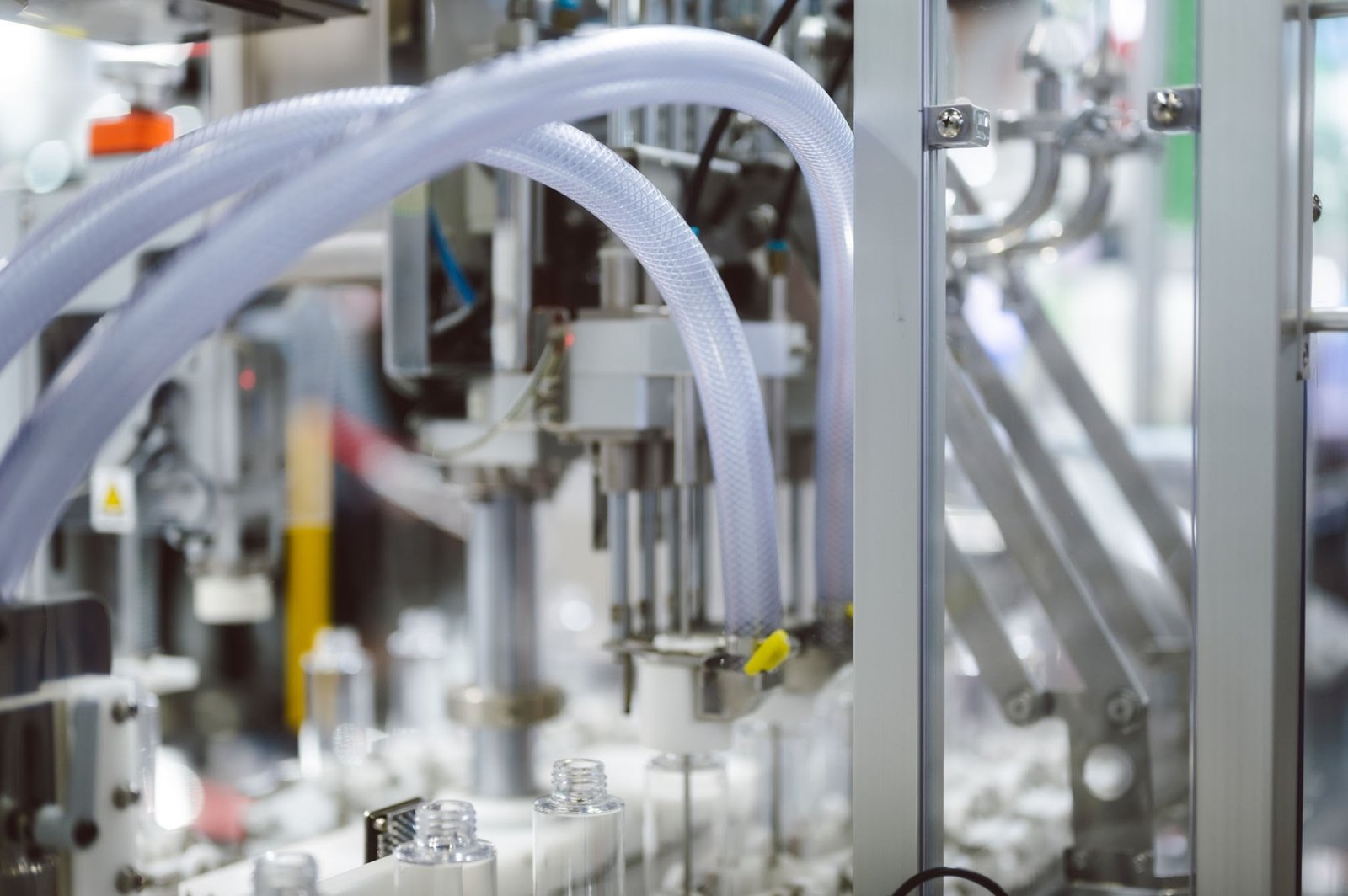
It begins with the feeding mechanism, where bottles are aligned and fed into the machine via a conveyor belt. To ensure labels are applied accurately, the bottles must be spaced evenly. This is achieved using spacing wheels or feed screws that separate the containers at precise intervals. As a bottle approaches the labeling station, highly sensitive photoelectric sensors detect its presence and send a signal to the machine’s central processing unit.
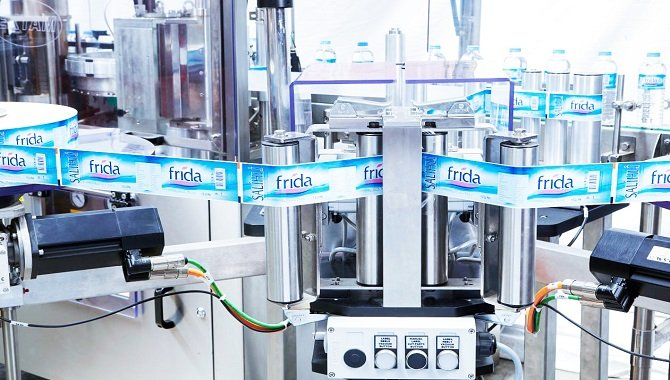
Once triggered, the labeling head dispenses the label from a continuous roll. The backing paper is pulled around a sharp dispensing edge, causing the stiff label to peel away from its backing. The adhesive side of the label is then pressed onto the passing bottle. Finally, the bottle passes through an application or wiping station—such as a foam roller, a brush, or a wrap-around belt—which firmly presses the label onto the container’s surface, smoothing out any air bubbles and securing a flawless bond.
Key Categories of Bottle Labeling Machines
No single machine can handle every type of bottle on the market. Bottles come in an endless variety of shapes, sizes, and materials, which has led to the development of several specialized categories of labeling equipment.
The wrap-around labeling machine is arguably the most common type found in industries handling cylindrical containers, such as beverage cans, wine bottles, and cosmetic jars. These machines apply a label that wraps entirely or partially around the circumference of the bottle. As the bottle reaches the labeling zone, it is spun against a backing pad while the label is dispensed, ensuring a seamless, tight wrap.
For flat, oval, or square bottles, manufacturers turn to front-and-back labeling machines. These systems often feature dual labeling heads positioned on opposite sides of the conveyor line. They apply two distinct labels simultaneously, allowing for a highly branded front panel and a highly informative, regulatory-compliant back panel in a single pass. This setup is incredibly popular in the personal care, household chemical, and food sectors.
Top-and-bottom labelers represent another highly specialized category. While less common for standard bottles, they are frequently used for low-profile containers, jars, or the caps of bottles. These machines apply labels to the top lid or the underside of a container, often utilized for security seals, promotional stickers, or bottom-facing barcodes.
Exploring Adhesive Technologies in Labeling
Beyond the mechanical movement of the bottles, the method by which the label adheres to the container is a critical factor in choosing the right machinery. Different products and environmental conditions demand different adhesive technologies.
Pressure-sensitive labeling, also known as self-adhesive labeling, is the most widely adopted technology today. These labels come pre-applied to a backing liner with a dry-tack adhesive. The machine simply peels and presses them onto the bottle. This method is incredibly clean, versatile, and allows for rapid changeovers between different label designs, making it the gold standard for cosmetics, pharmaceuticals, and craft beverages.
Cold glue labeling, or wet glue labeling, is a traditional method still highly favored by high-volume beverage manufacturers, particularly beer and mineral water bottlers. In this process, the machine applies a thin layer of liquid glue to an un-adhered paper label just before it is pressed onto the bottle. While the machinery is more complex and requires diligent cleaning, the cost of paper labels and raw glue is significantly lower than pressure-sensitive labels, offering massive cost savings at high production volumes.
Hot melt labeling is another high-speed option, frequently seen on soft drink and bottled water lines. This system uses a thermoplastic adhesive that is melted and applied to the edges of a plastic film label. The label is then wrapped around the bottle. It offers incredibly high-speed application and excellent moisture resistance, which is vital for beverages that will be submerged in ice chests.
The Industrial Advantages of Automation in Labeling
Investing in a high-quality bottle labeling machine yields a massive return on investment by transforming a facility’s operational capabilities. The most immediate benefit is a dramatic increase in production speed. While a skilled worker might manually label a few hundred bottles an hour, an automated system can easily process thousands, or even tens of thousands, of bottles in the same timeframe, completely removing packaging bottlenecks.
Furthermore, automation significantly reduces labor costs and reallocates human talent to more cognitive tasks, such as quality control, machine maintenance, and logistics. Instead of spending hours applying stickers, operators manage the system, feed raw materials, and oversee the output.
Material waste is also minimized. Manual application often results in ruined labels due to misalignment, tearing, or wrinkling. Automated systems, calibrated to fractions of a millimeter, ensure that every label is applied perfectly the first time, conserving valuable packaging materials and keeping overhead costs low.
Critical Factors to Consider When Selecting a Machine
Choosing the right labeling equipment is a strategic decision that requires a thorough analysis of a business’s current needs and future growth projections. The physical characteristics of the bottles are the logical starting point. The machine must be compatible with the bottle’s material—whether glass, PET, HDPE, or aluminum—and its specific geometry, whether it is perfectly cylindrical, tapered, or multi-faceted.
Production speed requirements are equally critical. Manufacturers must select a machine that matches the throughput of their upstream filling and capping equipment. A labeling machine that is too slow will bottleneck the entire plant, while one that is excessively fast for the current setup may represent unnecessary capital expenditure, though it does allow room for future scaling.
The environment of the production facility must also be factored into the decision. In industries like beverage bottling or food processing, machinery is frequently exposed to moisture, condensation, and aggressive washdown procedures. In these scenarios, selecting a machine constructed from high-grade stainless steel with a high IP (Ingress Protection) rating is essential to prevent corrosion and electrical failures.
Conclusion
Finally, ease of integration and changeover flexibility cannot be overlooked. In modern manufacturing, production lines often need to switch between different product sizes several times a day. Choosing a labeling machine with tool-less adjustments, digital touchscreens, and programmable recipe storage allows operators to switch from labeling a tiny cosmetic vial to a large shampoo bottle in a matter of minutes, maximizing uptime and keeping the factory floor agile.