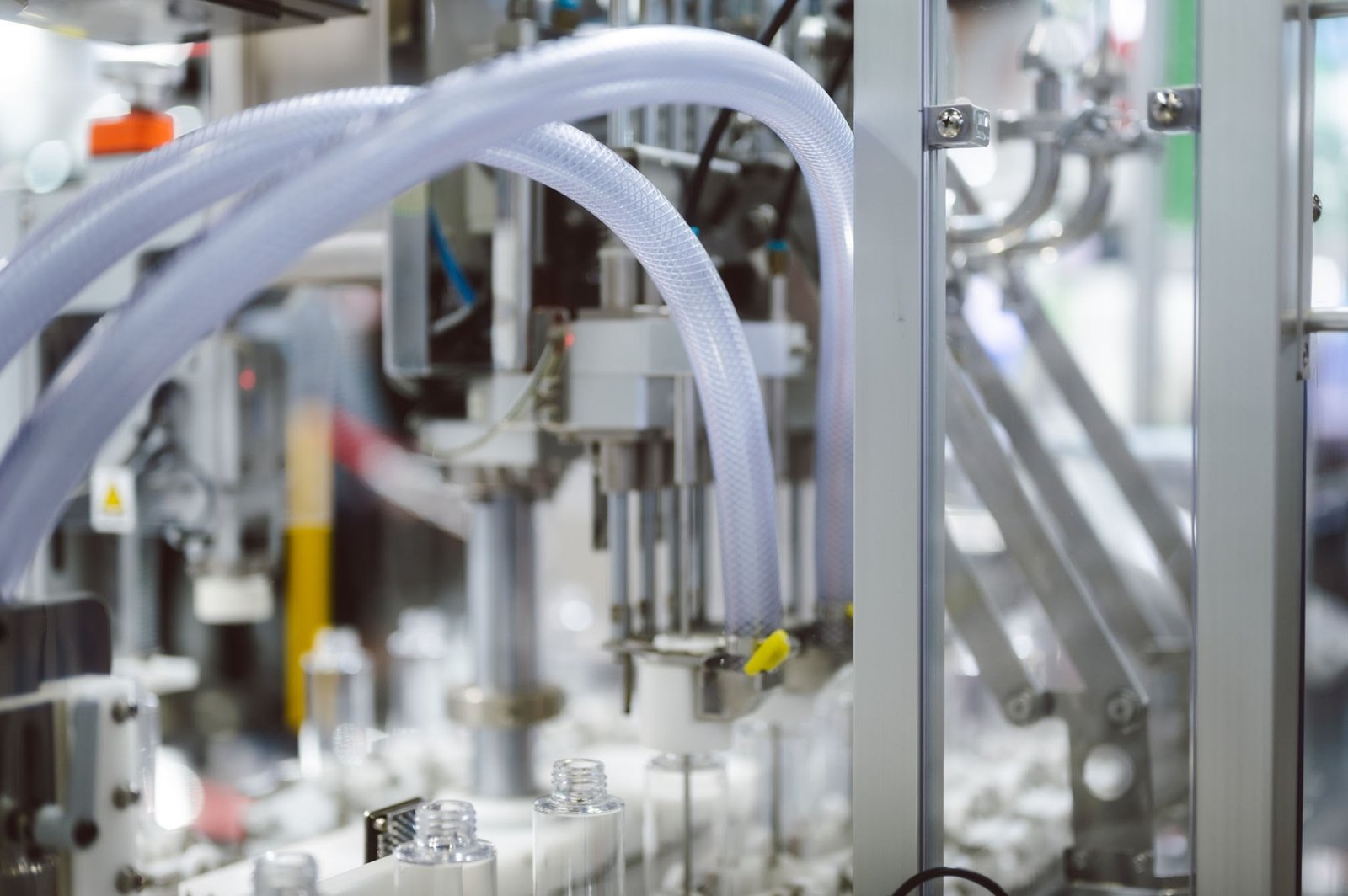
The cosmetics and personal care industries have witnessed an unprecedented boom over the past decade. Driven by a global consumer base that demands premium skincare, artisanal moisturizers, and clinical-grade body creams, manufacturers are constantly seeking ways to scale their production without sacrificing product integrity. At the heart of this manufacturing revolution lies a single, vital piece of equipment: the lotion filling machine. While it might seem like a simple mechanical dispenser on the surface, this machine is actually a highly sophisticated blend of fluid dynamics, precision engineering, and sanitary design. Understanding how these machines work, the variations available, and how to integrate them into a production line is essential for any brand aiming to transition from small-batch crafting to high-volume commercial distribution.
Understanding the Core Technology of a Lotion Filling Machine
To appreciate the value of a dedicated lotion filling machine, one must first understand the physical nature of lotion itself. Unlike water or alcohol-based perfumes, which flow freely and easily, lotions are non-Newtonian fluids. Specifically, most skincare lotions exhibit shear-thinning or pseudoplastic behavior. This means that they remain thick and viscous while at rest, but they become significantly less viscous and flow much more easily when force is applied to them. Managing this delicate balance of viscosity requires specialized pumping mechanisms that can gently push the product through a system without shearing it so aggressively that the delicate emulsion breaks apart.
This is where the engineering of a professional filling line comes into play. If a manufacturer tries to use a standard liquid filler designed for thin beverages to package a thick body butter, the machine will likely clog, underfill the containers, or apply so much localized heat and friction that the ingredients separate. A dedicated system designed specifically for viscous products uses heavy-duty displacement pumps or pressurized systems to guarantee that every single container receives an identical volume of product, whether it is a lightweight facial serum or a dense, rich hand cream. By maintaining a constant, controlled pressure, the machine ensures that the lotion flows smoothly from the bulk hopper down into the individual bottles without trapping pockets of air, which could otherwise lead to unsightly voids or oxidized, spoiled product.
The Matchmaker Game: Selecting the Right Nozzle and Pump Mechanism
Not all creams are created equal, and consequently, no single machine configuration can handle every cosmetic product perfectly. The choice of pump mechanism within a lotion filling machine is the single most critical factor in determining its operational success. For highly viscous products, piston fillers are generally considered the gold standard of the packaging industry. These devices pull a precise volume of lotion into a cylinder using a mechanical piston, and then push that exact volume down into the container. Because the physical volume of the cylinder does not change, piston fillers provide an incredible level of volumetric accuracy, which is crucial for compliance with weights and measures regulations.
Alternatively, rotary pump fillers and peristaltic pumps offer excellent performance for brands that require higher speeds or handle products with delicate active ingredients. Peristaltic fillers are particularly beloved in cleanroom environments because the product never actually touches any part of the machine except for the interior of a medical-grade silicone tube. This completely eliminates the risk of cross-contamination and makes clean-up remarkably fast. No matter which pump is selected, it must be paired with the correct nozzle design. Viscous liquids have a tendency to “tail” or string out as the nozzle pulls away from the bottle, which can leave messy drips on the neck of the container. Modern machines combat this issue by utilizing positive shut-off nozzles that mechanically seal the tip at the exact millisecond the fill cycle completes, ensuring a perfectly clean cut-off every single time.
Automation Levels: From Manual Crafting to High-Speed Inline Systems
As a business grows, its packaging needs will naturally evolve, and lotion filling machinery is designed to scale alongside this growth. For startups and boutique cosmetic labs, manual or semi-automatic desktop fillers represent the logical starting point. These compact machines require an operator to manually place a bottle under the nozzle and press a foot pedal to initiate the fill. While they require hands-on labor, they still offer a massive upgrade in speed and accuracy compared to hand-pouring or using manual syringes. They also help small brands establish a baseline of product consistency that is absolutely necessary for building customer trust.
For mid-sized manufacturers, the transition to automatic inline systems marks a major leap in efficiency. These setups feature motorized conveyor belts that transport bottles automatically through a series of stations. Optical sensors detect when the bottles are perfectly positioned beneath a multi-nozzle filling head, pause the conveyor, execute the fill, and then send the bottles onward to capping and labeling stations. At the highest tier of manufacturing, rotary filling machines dominate the landscape. Unlike inline systems that stop the bottles to fill them, rotary machines spin the bottles continuously along a massive wheel, filling dozens of containers simultaneously at blistering speeds. These industrial giants are capable of packaging hundreds of bottles per minute, making them the backbone of global skincare conglomerates.
Sanitation Standards and the Importance of Clean-in-Place Design
In the skincare industry, product purity is not just a selling point; it is a strict regulatory mandate. Lotions are water-based emulsions that provide a highly fertile environment for microbial growth if they are exposed to contaminants. Therefore, a lotion filling machine must be built from the ground up with sanitary principles in mind. High-grade stainless steel, typically type 316L, is utilized for all product contact parts because it resists corrosion, handles acidic or alkaline ingredients without degrading, and features an ultra-smooth surface that prevents bacteria from finding microscopic footholds.
To maintain these strict hygiene standards without destroying daily productivity, modern automated filling systems are built with Clean-in-Place (CIP) capabilities. A CIP system allows the operator to connect the filling machine to a centralized wash station. The machine then runs a pre-programmed sequence of hot water, specialized detergents, and sanitizing rinses through the entire internal fluid path without requiring the operator to manually disassemble the pumps, valves, or nozzles. This not only guarantees a thorough, repeatable sanitization cycle that meets regulatory standards but also dramatically reduces the physical labor and downtime associated with product changeovers, allowing a facility to switch from a lavender body wash to an unscented face cream in a fraction of the time.
Maximizing Production Efficiency and Reducing Downtime
Investing in high-quality hardware is only half the battle; the real return on investment comes from optimizing how the lotion filling machine integrates into the broader production facility. To truly maximize efficiency, manufacturers must focus on minimizing the time the machine spends sitting idle. This is achieved through thoughtful line design, user-friendly control interfaces, and robust preventative maintenance schedules. Modern machines feature intuitive touchscreen interfaces that allow operators to save specific “recipes” for different product runs, automatically adjusting fill volumes, conveyor speeds, and nozzle depths at the touch of a button.
In addition to software optimization, physical flexibility is key. Quick-changeover parts that can be swapped out without the need for specialized tools allow operators to adjust the machine for different bottle shapes and sizes in minutes rather than hours. Proper training is also a critical component of efficiency, as skilled operators can spot early warning signs of wear, such as subtle pressure drops or minor nozzle drips, before they escalate into catastrophic mechanical failures. By pairing advanced machinery with smart operational habits, cosmetic brands can ensure that their filling lines run smoothly, safely, and profitably for years to come.
Conclusion
The journey of a skincare product from a bulk mixing tank into the hands of a consumer relies entirely on the precision and reliability of the lotion filling machine. By bridging the gap between delicate fluid science and robust mechanical engineering, these machines empower brands to deliver consistent, uncontaminated, and perfectly measured products to their customers at any scale. Whether a business is just starting out with a single semi-automatic piston filler or managing a fully integrated, high-speed rotary packaging line, choosing the right filling technology is a foundational step toward long-term manufacturing success. As consumer demand for innovative skincare continues to rise, the brands that invest in high-quality, adaptable, and hygienic filling solutions will undoubtedly be the ones that lead the market forward.