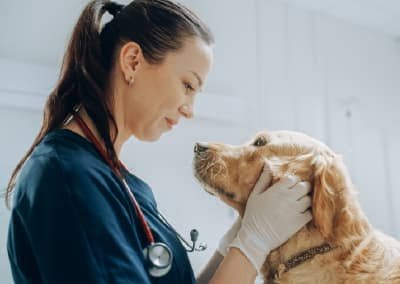
You might be feeling a familiar knot in your stomach every time a vet visit comes up. Your cat disappears under the bed the moment the carrier appears. Your dog starts to shake as soon as you pull into the Burlington animal hospital parking lot. By the time you reach the exam room, your pet is terrified, you are frazzled, and everyone just wants it to be over.
If that sounds familiar, you are not alone. Many loving pet owners feel guilty and exhausted after routine care, and some even delay appointments because they cannot face the stress. At the same time, you know your pet needs medical care to stay healthy, so you feel stuck between their emotional comfort and their physical wellbeing.
The good news is that veterinary medicine has changed. Many animal hospitals now focus on stress free vet visits for pets, using science based handling, thoughtful building design, and coaching for pet owners at home. In simple terms, there are very practical ways to make visits calmer for your pet and easier on you. This guide walks through what is causing the stress, what a truly low stress animal hospital looks like, and what you can do right now to help your pet feel safer.
Why do vet visits feel so stressful for pets and for you?
It often starts long before the exam room. For many pets, the first sign of trouble is the carrier or the leash. Your cat sees the carrier twice a year, always before something scary, so it has become a warning sign. Your dog only rides in the car to go to the clinic, so the parking lot smells and sounds like fear and memory.
Once you arrive, the waiting room can feel overwhelming. Strange dogs bark, cats hiss, phones ring, and unfamiliar people move quickly. Pets are masters at reading your body language. If you are tense, they know something is wrong. Because of this tension, even a simple nail trim can feel like a threat to them.
Inside the exam room, handling can add to the pressure. A nervous cat might be lifted out of the carrier instead of allowed to come out on their own. A worried dog might be held tightly on a slippery table, which makes them struggle more. Even well meaning restraint can accidentally convince a pet that they are trapped, which increases fear and can lead to growling, scratching, or biting.
For you, there is a different layer. You might worry that staff will judge you if your pet acts out. You might fear your pet will be labeled “aggressive” or that you will be pressured to approve costly tests while you are already overwhelmed. It is not just a medical appointment. It is an emotional event.
So where does that leave you when your pet clearly needs care, but the process feels like too much?
What does a truly low stress animal hospital look like?
A growing number of clinics are rethinking every step of a visit to create a calm veterinary experience for cats and dogs. This is not about being “nice” in a vague way. It is based on behavior science and research on animal stress.
For example, programs like the Indoor Pet Initiative from Ohio State show how pets’ emotional needs at home and at the clinic are deeply connected. When a pet’s daily life is predictable and enriched, they arrive at the hospital more resilient and less fearful.
Many low stress hospitals focus on cats and dogs separately, because their needs are different. Cat friendly approaches often include quiet cat-only waiting areas, elevated hiding spots, and gentle handling that avoids scruffing. You can see some of these ideas in action in these resources on reducing stress for indoor cats and supporting indoor dogs.
On the medical side, research supports this shift. Studies on “fear free” or low stress care show that calmer animals allow better exams and more accurate readings. For instance, stress can raise heart rate, blood pressure, and even blood sugar, which can interfere with diagnosis. A recent review in the veterinary literature described how stress management improves both welfare and clinical outcomes for cats and dogs during hospitalization and exams, echoing findings similar to those reported in research on stress and quality of life in companion animals.
Another paper, comparable to this study on behavior, welfare, and human animal interactions, highlights how gentle handling and owner education reduce fear based behaviors and the risk of injury to people and pets. In other words, low stress care is safer and more effective for everyone in the room.
When you walk into a clinic that truly cares about this, you often notice a few things right away. The waiting area is calmer. Staff move slowly and speak softly. Your pet is examined where they are most comfortable, maybe on your lap, on the floor, or inside the bottom half of their carrier. Food treats are used often and without hesitation. If your pet is still overwhelmed, the team may suggest a different plan instead of pushing through.
How do different visit approaches compare for stress and safety?
You might be wondering what the real difference is between a traditional visit and a stress free animal hospital approach. The table below compares common features so you can picture it more clearly.
| Aspect | Traditional Visit | Low Stress / Fear Free Visit |
|---|---|---|
| Before the visit | No guidance on carrier or car training. Pet often only sees these before scary events. | Clinic offers tips for carrier training and car comfort. Pet associates these with treats and play. |
| Waiting area | Shared space for all species. Loud, crowded, long waits. | Separate cat and dog areas when possible. Quieter spaces and faster rooming. |
| Handling style | Focus on getting the procedure done quickly. More restraint used when pets resist. | “Less is more” restraint. Use of towels, non-slip mats, and choice of exam surface to reduce fear. |
| Use of food and toys | Treats offered occasionally or not at all. | Frequent use of high value treats and toys to create positive associations. |
| Plan for very fearful pets | Proceed despite fear, or note the pet as “difficult.” | Consider pre-visit medication, shorter visits, or splitting care into several calm sessions. |
| Impact on you | You leave drained, worried, and sometimes embarrassed by your pet’s behavior. | You feel heard, supported, and part of the care team. Future visits feel more manageable. |
Seeing these differences side by side can make it easier to decide what you want to ask for when you schedule your next appointment.
What can you do now to help your pet have a calmer vet visit?
Even if your current clinic is not formally “fear free,” there is a lot you can do as your pet’s advocate. Small changes can shift the entire experience.
1. Change how your pet experiences the carrier and the car
Leave the carrier out all the time, not just on vet days. Put a soft blanket inside. Drop treats or a small meal in the carrier daily so your cat or small dog chooses to go in on their own. For dogs, take short car rides that end in something fun, like a walk or a snack at home, so the car does not always predict the clinic.
If your pet is very fearful, start with tiny steps. Reward just looking at the carrier, then stepping near it, then placing paws inside. Gentle repetition builds trust.
2. Ask your animal hospital about low stress options
When you book the appointment, explain that your pet is anxious and that you are looking for a more gentle veterinary experience. Ask specific questions. Can you wait in the car until a room is ready. Is there a separate cat area. Are pre-visit calming medications an option. Can your dog be examined on the floor instead of the table.
You do not need to apologize for asking. You are giving the team useful information that helps them care for your pet more safely and kindly.
3. Plan for your own calm as part of your pet’s care
Your pet reads you closely. If you are rushed, upset, or bracing for a fight, they will feel it. Build in extra time so you are not running late. Bring your questions written down so you are not trying to remember them while your pet is nervous. Practice a few slow, deep breaths before the staff enters the room. This is not about perfection. It is about taking enough care of yourself that you can be fully present for your pet.
Moving toward kinder care for you and your pet
You are not “overreacting” for wanting a calmer, kinder experience for your animal. Fear and stress are real health concerns, and modern animal hospital care is slowly catching up to that truth. With some preparation at home, honest conversations with your veterinary team, and a focus on small, steady changes, your pet’s visits can become less about panic and more about partnership.
The next time you look at the calendar and see an appointment coming, remember that you have options. You can ask for quieter spaces. You can request different handling. You can slow things down. Most of all, you can stand up for your pet’s emotional wellbeing with the same care you give their physical health.
Your pet does not need a perfect visit. They just need a safer, softer one, and you are already taking the first step by looking for better answers.