You might be watching your pet nap in that familiar corner at an animal clinic in High River, AB and wondering how many healthy years you really get together. Maybe a recent scare, a strange cough, or an unexpected vet bill has you thinking about what more you could or should be doing. It is very common to feel torn between “wait and see” and “am I missing something important.”end
Because you care so much, this can feel heavy. You want your pet to live a long life, not just a long list of treatments. You want fewer emergencies and more quiet, ordinary days where nothing hurts and nothing feels urgent. That is exactly where preventive care comes in. In simple terms, regular checkups, vaccines, parasite control, dental care, and early screening often mean fewer crises and more healthy years together. That is the heart of the connection between preventive care and pet longevity.
So where does that leave you if you are busy, on a budget, and a bit overwhelmed by all the advice you see online.
Why does preventive care matter so much for your pet’s lifespan?
Think about how many pets you have known who seemed “totally fine” until one day they were not. A dog that suddenly cannot walk because of advanced arthritis. A cat that hides a serious kidney problem until it is almost too late. By the time you see obvious symptoms, some conditions have already been building for months or even years.
The problem is that animals are very good at hiding pain and discomfort. In the wild, showing weakness can be dangerous, so many health issues stay quiet at first. Because of this, waiting until something looks serious often means you are starting treatment late. That can shorten a pet’s life and make those final months more stressful and expensive.
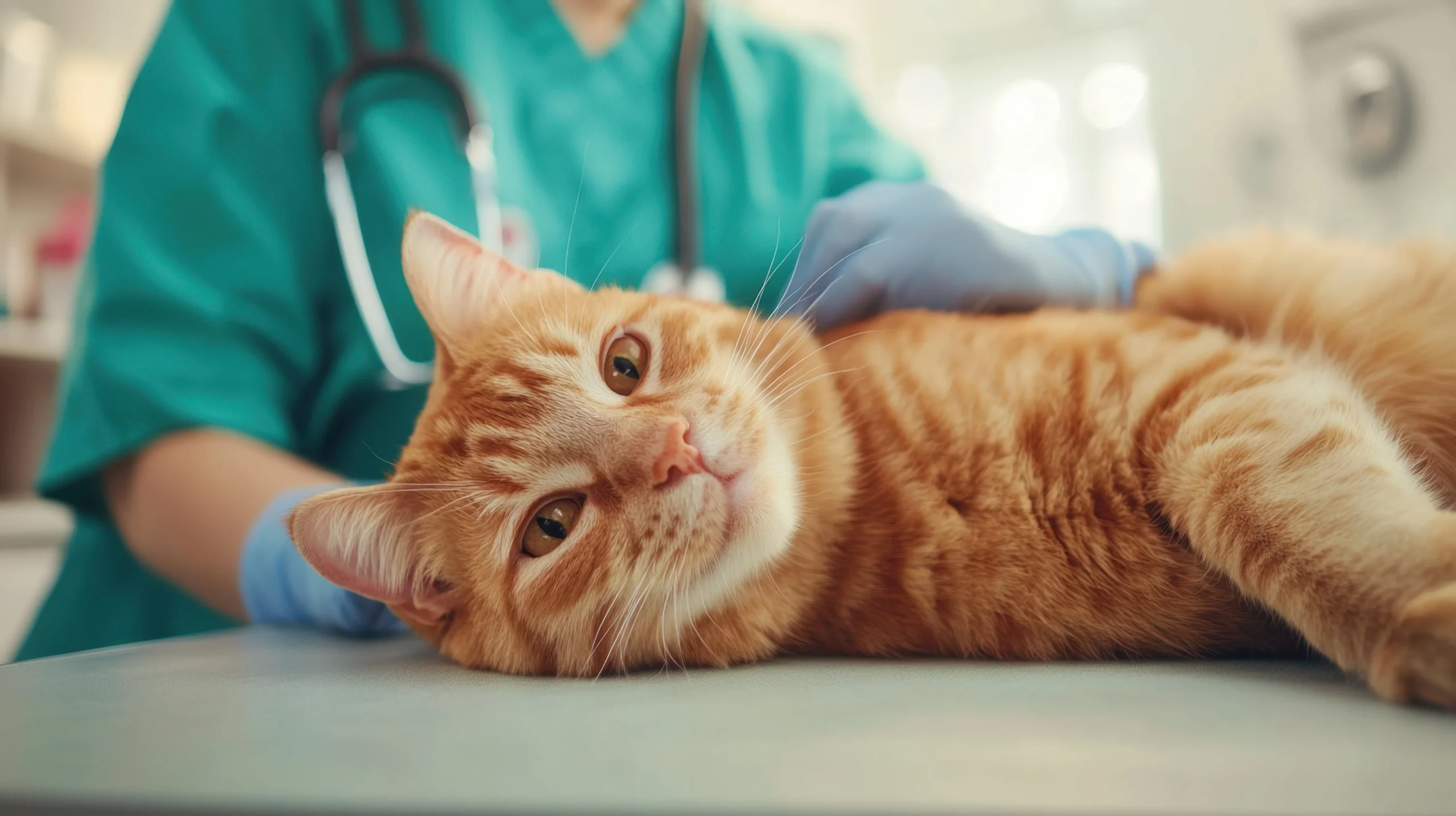
This is where preventive care changes the story. Regular wellness visits, even when your pet seems perfectly fine, allow a general veterinarian to pick up on small changes before they turn into big problems. A slight weight change, a new heart murmur, tartar creeping along the gumline, or a subtle shift in behavior can be early warning signs. Addressing those early can slow disease, reduce suffering, and often extend your pet’s healthy years.
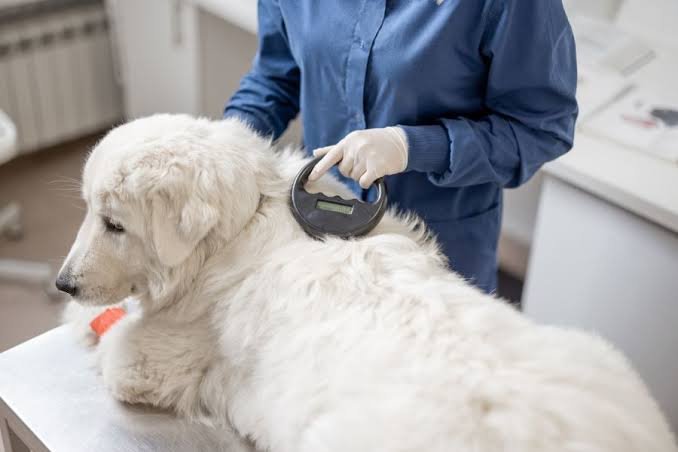
If you are wondering what “preventive care” actually includes, it usually means a mix of routine exams, vaccines, parasite prevention, dental care, nutrition guidance, and age-appropriate screening tests. You can see a simple overview of what that looks like in everyday life in this general pet care guide from the AVMA.
What can happen if you delay or skip routine vet visits?
It can help to walk through a few “what if” scenarios, because this is where the emotional and financial strain becomes very real.
Imagine a middle-aged cat who has not seen a vet in three years. She eats a little less, drinks a little more, and sleeps a lot. It is easy to say, “she is just getting older.” If that cat had bloodwork once a year, early kidney disease might be caught while simple diet changes and monitoring could slow it down. Without that check, you might only find out when she stops eating altogether and ends up in an emergency clinic on fluids. Now you are scared, she is miserable, and the options are limited.
Or picture a young dog who misses several rounds of heartworm prevention. He seems fine for a long time. Heartworm disease develops quietly, so the first signs can be coughing or slowing down on walks. By then, treatment is long, risky, and expensive. That same dog, on consistent prevention and simple annual testing, has a strong chance of avoiding the disease entirely. The difference in cost, stress, and life expectancy is dramatic.
These stories are not rare. They are the everyday reality of how skipping preventive care can shorten a pet’s life and put you in the painful position of wishing you had known sooner. That regret can be heavy. Feeling that way does not mean you failed. It usually means no one really explained how strong the link is between routine care and long-term health.
So how does this tie directly into extending your pet’s lifespan through proactive veterinary care. In many cases, early detection and prevention do three things. They reduce the number of serious diseases your pet ever develops. They slow the progression of problems that do arise. They keep your pet comfortable enough to enjoy those extra years instead of simply surviving them.
Preventive care vs “wait and see”: what is the real tradeoff?
It is fair to ask whether regular wellness visits and preventive treatments are worth the cost and effort. You might worry you are being pushed into extra services. A useful way to think about it is to compare the most common choices you face as a pet owner.
| Area of care | Preventive approach | “Wait and see” approach | Typical impact on longevity |
|---|---|---|---|
| Checkups | Annual or twice yearly wellness exams | Visits only when something seems wrong | Higher chance of early detection and longer healthy years |
| Parasites | Monthly prevention for fleas, ticks, heartworm | Treatment only when parasites are seen | Prevention avoids diseases that can be life-limiting or fatal |
| Dental health | Regular dental cleanings and home care | Addressing teeth only when they are obviously bad | Better mouth health, lower risk of heart and kidney issues |
| Screening tests | Routine bloodwork and urine tests for adults and seniors | Tests only when a pet is very sick | Earlier treatment of hidden disease, often more years of quality life |
| Weight & nutrition | Regular weight checks and diet reviews | Adjusting food only after major weight gain or loss | Lower risk of diabetes, arthritis, and shorter lifespan |
When you compare side by side, the connection between preventive care and longer life becomes clearer. You are not paying for “nothing.” You are investing in fewer crises and more control. You are choosing early, gentle corrections over late, aggressive interventions that often carry more risk for your pet and more fear for you.
If you want a more detailed sense of how preventive care shifts through each life stage, from puppy or kitten to senior, this overview of preventive care and wellness across the years can be reassuring.
Three practical steps you can take right now
You might be wondering what to do first, especially if your pet has missed a few checkups or you feel behind. You do not need to fix everything at once. Start with a few clear moves that will have the biggest impact on your pet’s long-term health.
1. Schedule a baseline wellness visit
Choose a trusted general veterinarian and book a routine exam, even if your pet seems fine. Think of this as your “starting line.” Ask for a nose-to-tail check, a dental look, and for adult or senior pets, basic bloodwork and a urine test if possible. This visit creates a record of what “normal” looks like for your pet. Future changes are much easier to spot when your vet has something to compare against.
Before the appointment, write down any small changes you have noticed. Drinking more water. Sleeping in a different spot. Breathing a bit heavier after play. Many owners dismiss these details, yet they often hold clues that support longer life when caught early.
2. Commit to a simple preventive care plan
During that visit, ask your vet to outline a realistic preventive plan for the next 12 months. This might include vaccines, parasite prevention, dental cleaning, and a schedule for rechecks or screening tests. Be honest about your budget and your schedule. A good plan does not need to be perfect. It needs to be consistent.
If money is tight, ask which pieces are most important for your pet’s age and risks. For example, heartworm prevention might be non-negotiable in some regions, while a senior pet might benefit most from regular lab work and pain management. The goal is a tailored approach to preventive veterinary care for longer pet lives, not a one-size-fits-all checklist.
3. Watch for small changes and act early
Going forward, pay attention to the quiet signals. A new odor from the mouth. Slight limping after play. A pet that suddenly prefers to be alone. You know your animal better than anyone. When something feels off, treat that feeling as data, not drama.
Call your general veterinarian and describe what you see. Early visits for “something small” are not overreactions. They are often the reason pets get more healthy years instead of fewer. Over time, this habit of noticing and acting early forms the backbone of strong preventive care and supports a longer, more comfortable life for your pet.
Closing thoughts and a gentle nudge forward
Caring for an animal you love is both a joy and a responsibility. It is normal to worry that you are missing something or to feel guilty about gaps in care. The truth is, you are here now, asking how to do better, and that already changes your pet’s future.
The connection between preventive pet care and longevity is not abstract. It shows up in quieter hearts, healthier joints, cleaner teeth, and test results that whisper about trouble long before your pet ever seems sick. It shows up in more mornings where your dog still wants to chase a ball or your cat still jumps to the sunny spot on the windowsill.
You do not have to overhaul everything at once. Start with that baseline visit. Build a simple plan. Stay curious about the little changes you notice. Every small, steady choice you make today can add comfort and time to the years you share together.