You might be feeling that familiar rush of worry. Your pet is sick, the symptoms seem to be getting worse, and now you are trying to decide where to go. A small clinic may handle routine care well, but when the problem feels urgent or more complex, you may start looking for a veterinarian in Clermont, FL and asking a harder question. What does an animal hospital offer that a smaller practice may not?
The short answer is this. The difference often comes down to access, staffing, equipment, and the ability to respond when your pet needs more than a basic exam. When people compare animal hospitals and small clinics, they are usually trying to figure out where their pet will get the right level of care, without wasting time or adding stress. That question matters, especially when every hour feels important.
When your pet’s condition changes fast, what can an animal hospital do that a small clinic may not?
One of the clearest differences is emergency and critical care. Small clinics often focus on wellness visits, vaccines, skin issues, mild illness, and follow up care. That works well until something changes quickly. Your dog starts struggling to breathe. Your cat stops eating and becomes weak. Your pet is hit by a car late at night. In those moments, a standard appointment model may not be enough.
An animal hospital is more likely to have emergency teams, monitoring equipment, oxygen support, blood products, and staff trained to stabilize pets in crisis. Some hospitals operate at a much higher emergency standard, such as the VECCS Level 1 accredited emergency and critical care program at Texas A&M. That kind of recognition shows how much structure and readiness can exist inside a hospital setting.
Because of this, the first service that often separates an animal hospital from a small clinic is 24 hour or advanced emergency care. It is not only about being open. It is about being ready.
If the diagnosis is not obvious, how does advanced testing change the picture?
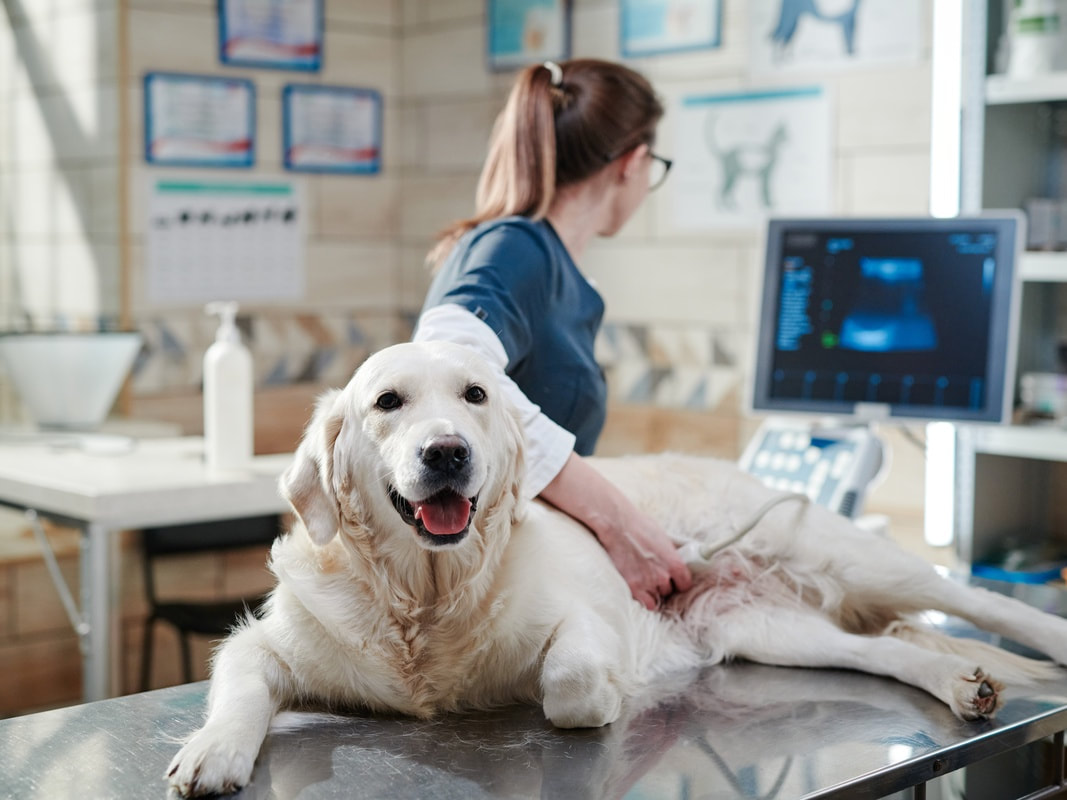
Sometimes the hardest cases are not the loudest ones. Your pet may seem off for days or weeks, and the symptoms can be vague. Weight loss, fainting, vomiting that keeps coming back, limping without a clear injury. A small clinic may begin the workup, but some cases need imaging, in house lab support, ultrasound, endoscopy, or specialty consults.
This is where the second distinguishing service shows up. Advanced diagnostics can help move a case from guessing to knowing. A hospital with more tools on site can often shorten that painful waiting period between “something is wrong” and “here is what we are dealing with.”
That matters emotionally and financially. When answers come faster, treatment can become more focused. You are less likely to spend days trying one small step after another while your pet stays uncomfortable. For many families, this is one of the biggest reasons to choose animal hospital services over a smaller clinic setting.
What happens when your pet needs surgery or intensive monitoring?
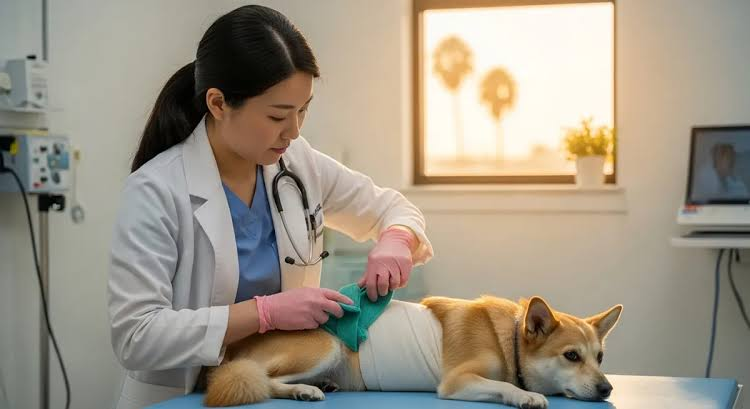
The third service is surgical and inpatient care. Small clinics may perform routine procedures such as spays, neuters, and basic dental work. But when surgery becomes more complex, or when a pet needs close observation after treatment, a hospital often has a different level of support.
That support may include dedicated anesthesia monitoring, pain management plans, recovery staff, and overnight hospitalization. For pets with internal injuries, blockages, severe infections, or complications from chronic disease, that level of supervision can make a real difference. The small animal emergency and critical care service at Virginia Tech shows how hospitals can handle patients who need both urgent treatment and ongoing monitoring in one place.
So, where does that leave you? If your pet might need a procedure that carries more risk, or if recovery will not be simple, a hospital setting may offer a safer path.
When care gets more specialized, who is actually on your pet’s team?
The fourth service is access to specialists and coordinated care. This is one of the least visible differences at first, but it can become the most important. In a small clinic, your veterinarian may need to refer you out for cardiology, neurology, oncology, internal medicine, or advanced emergency support. In an animal hospital, those services may be available under one roof or through a more integrated team.
That can mean fewer transfers, fewer repeated tests, and better communication between departments. If your pet has a heart condition and then develops breathing trouble, or if cancer treatment leads to an urgent complication, having specialists and emergency staff work together can ease a lot of uncertainty. The Michigan State University emergency service is one example of how hospital based care can connect urgent treatment with broader specialty resources.
How do animal hospitals and small clinics compare in real life?
It helps to see the difference side by side, especially when you are making a decision under stress.
| Service Area | Small Clinic | Animal Hospital |
|---|---|---|
| Emergency care | May have limited urgent slots or daytime only support | Often equipped for urgent stabilization, critical care, and extended hours |
| Diagnostics | Basic lab work and routine imaging | Advanced imaging, broader in house testing, and faster workups |
| Surgery and recovery | Usually routine procedures only | Complex surgery, anesthesia monitoring, and inpatient recovery |
| Specialists | Often refers cases elsewhere | May offer coordinated specialty and emergency care |
This does not mean a small clinic is the wrong choice. For preventive care, minor illness, and long term relationships, smaller practices can be excellent. But when the situation becomes unstable, complex, or unclear, veterinary hospital care often fills the gap.
What can you do right now if you are unsure where to take your pet?
1. Look at the urgency, not just the symptom. Vomiting once may not mean emergency care. Vomiting with weakness, pale gums, collapse, trouble breathing, or severe pain is different. Focus on how fast things are changing.
2. Call and ask direct questions. Ask whether the facility can provide emergency stabilization, imaging, overnight monitoring, or surgery if needed. A quick phone call can tell you whether the team matches your pet’s needs.
3. Keep your records and move early. If your pet has lab work, medication lists, or imaging from another clinic, bring it with you. And if your instincts say things are getting worse, do not wait for symptoms to become severe before seeking hospital care.
Why does this choice matter so much?
When your pet is hurting, you are not just choosing a building. You are choosing the level of support available if the case becomes more serious than expected. That is the heart of the difference in 4 Services That Distinguish Animal Hospitals From Small Clinics. Emergency readiness, advanced testing, surgical monitoring, and specialty access can all shape what happens next.
If you are weighing a clinic against an animal hospital, trust the part of you that wants clear answers and enough support. In uncertain moments, getting your pet to the right level of care can bring both treatment and peace of mind.