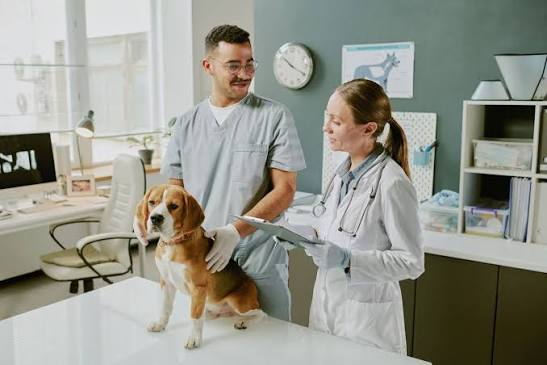
After surgery, your pet wakes up confused, sore, and scared. You want calm answers. Veterinary hospitals plan for this moment long before the first incision. Staff watch every breath, movement, and sound your pet makes. They track pain, temperature, and bleeding. They adjust treatment fast if anything shifts. They keep your pet warm, clean, and steady. They speak softly and move with purpose so your pet feels safe. Every step has a reason. An animal hospital in Shuswap, BC follows strict recovery routines that protect your pet from infection and hidden problems. You learn what to expect. You see how nurses and veterinarians share updates, record each change, and prepare for your pet’s return home. You also learn what you must do after discharge. Your role matters. Good recovery is a team effort that starts in the hospital and continues in your home.
What Happens Right After Surgery
Right after surgery, your pet moves from the operating room to a quiet recovery space. Staff place your pet on padded bedding. They watch for three things.
- Safe breathing
- Steady heart rate
- Strong response to touch and sound
Staff remove the breathing tube only when your pet can swallow, lift the head, and breathe well. They clean the mouth and eyes. They check the incision for bleeding. They look at gum color. They record each finding in your pet’s chart.
During this time, your pet may shake, whine, or seem restless. This does not always mean pain. It can also mean drug effects or fear. Staff use pain scoring tools from trusted sources such as the National Institutes of Health to measure pain in a clear way. They look at posture, face, and response to handling. Then they adjust pain medicine and comfort care.
How Staff Control Pain
Pain control protects both body and mind. It supports healing. It also lowers the chance of biting or sudden panic. Hospitals use a clear plan that often includes three parts.
- Drugs that block pain signals
- Drugs that calm anxiety
- Simple comfort steps such as warmth and quiet
Staff give pain drugs on a schedule. They do not wait for crying or yelping. They use injections, patches, or oral drugs, depending on the surgery and your pet’s health. They explain each drug, how long it lasts, and what side effects you might see at home.
Keeping Your Pet Warm, Clean, and Stable
Surgery and anesthesia lower body temperature. Cold slows healing and can strain the heart. Staff wraps your pet in warm blankets. They may use warm air units or warm water pads. They never use direct hot surfaces. They check the temperature often and record changes.
Staff also clean any urine, stool, or vomit fast. They change bedding. They trim or cover claws. They place soft collars if your pet might lick the incision. They keep noise low and light soft. This reduces fear and protects sleep.
Monitoring During the First 24 Hours
The first day after surgery carries the highest risk. Staff watch for three main problems.
- Breathing trouble
- Circulation problems such as low blood pressure
- Infection or tissue damage at the incision
They check:
- Heart and breathing rate
- Body temperature
- Gum color and moisture
- Amount of urine and stool
- Appetite and thirst
- Movement, standing, and walking
Each check has a schedule. Some pets need checks every 15 minutes at first. Others every hour. Staff adjust these times based on age, organ function, and surgery type. They also follow infection control steps from sources like the Centers for Disease Control and Prevention. These steps include hand cleaning, clean tools, and proper bandage care.
Common Recovery Needs by Surgery Type
| Type of surgery | Typical hospital stay | Key hospital focus | Home care focus |
|---|---|---|---|
| Spay or neuter | Same day | Pain control and incision check | Rest, leash walks, and incision checks |
| Orthopedic surgery | 1 to 3 days | Strong pain control and limb support | Crate rest, controlled steps, and slip-free floors |
| Abdominal surgery | 1 to 3 days | Fluids, gut sounds, and vomiting control | Small meals, stool checks, and watching for bloating |
| Emergency trauma surgery | Several days | Organ support and infection watch | Strict rest and close mood checks |
Preparing You Before Your Pet Goes Home
Good discharge planning starts early. Staff know you may feel tired or upset. They keep instructions simple and clear. They repeat key points and give them in writing.
You receive three main sets of instructions.
- Medicine schedule and dosing
- Activity limits and safe movement
- Signs that mean you must call or return
The staff shows you how the incision should look. They explain what normal swelling is and what is not. They show you how to use any collar, sling, or bandage. They help you practice lifting or supporting your pet if needed.
Your Role at Home
Once home, you become the main watcher. You see your pet’s mood, sleep, and small changes that no one else can see. Three daily habits help.
- Check the incision morning and night
- Record appetite, stool, and urine
- Follow the medicine schedule exactly
Use a simple chart on paper or a phone note. Write the time you gave each drug. Note any vomiting, whining, or change in walking. Bring this record to follow-up visits. It helps the veterinarian see patterns and adjust care.
Keep your pet in a quiet room. Use non-slip rugs. Block stairs. Use a crate only if your pet feels safe in it. Keep children calm around your pet. Explain that the pet hurts and needs space.
Warning Signs That Need Fast Help
Call the hospital at once if you see any of these signs.
- Constant panting or gasping
- Gums that look pale, blue, or gray
- Incision that opens, pours blood, or smells bad
- Refusal to stand or sudden collapse
- Vomiting that repeats or contains blood
- No urine or stool for 24 hours
- Seizures or strange stiff movements
Trust your sense. If your pet seems “just not right” and you feel fear, call. Staff would rather speak early than wait.
How Follow Up Visits Support Healing
Follow-up visits are not formal steps. They are safety checks. Staff removes stitches or staples if needed. They check muscle use and joint movement. They ask about sleep, mood, and appetite. They may change drugs or add simple exercises.
These visits also give you a chance to ask hard questions. You can talk about guilt, fear, or stress. You can ask how to prevent future injury or illness. This shared planning builds trust and protects your pet’s long-term health.
With clear hospital routines and steady home care, most pets heal well. You do not need special training. You need clear guidance, close watching, and patience. The hospital team stands with you through each step.